
Medicare 101: A Clearwater Resident's Guide to Parts A, B, C, and D
Medicare is one of the most important programs you'll ever enroll in — and one of the most confusing. If you're turning 65 in the Tampa Bay area, or helping a parent who is, the alphabet soup of "Parts A, B, C, and D" can feel overwhelming. Here's a plain-English breakdown of what each part actually does, so you can walk into your enrollment decision knowing what you're looking at.
What is Medicare?
Medicare is the federal health insurance program for people 65 and older, as well as certain younger people with disabilities. It's run by the Centers for Medicare & Medicaid Services (CMS). At its core, Medicare has four parts — A, B, C, and D — and each one covers a different slice of your healthcare.
Part A: Hospital Insurance
Think of Part A as your hospital coverage. It pays for inpatient hospital stays, skilled nursing facility care, hospice, and some home health care. For most people who paid Medicare taxes while working (or whose spouse did) for at least 10 years, Part A is premium-free. You'll still have deductibles and coinsurance, but the monthly premium is $0 for the vast majority of beneficiaries.
Part B: Medical Insurance
Part B is the outpatient side: doctor visits, preventive care, lab work, durable medical equipment, and most outpatient services. Unlike Part A, Part B always has a monthly premium (around $185 for most enrollees in 2025, higher for higher incomes). Part B covers 80% of approved services after you meet a small annual deductible — that remaining 20% is what most supplemental plans are designed to handle. Together, Part A and Part B are often called "Original Medicare."
Part C: Medicare Advantage
This is where it gets interesting. Part C, also known as Medicare Advantage (or MA), is an all-in-one alternative to Original Medicare offered by private insurance companies approved by Medicare. When you enroll in a Medicare Advantage plan, you still have Medicare — but a private carrier (HMO or PPO) administers your benefits and often adds extras like dental, vision, hearing, and prescription drug coverage rolled in.
The trade-off: lower or even $0 monthly premiums, but you typically have to use the plan's network of doctors and you'll pay copays and coinsurance as you use services.
Part D: Prescription Drug Coverage
Part D covers prescription medications. It's provided through private insurers and you can either get it as a standalone plan (if you're on Original Medicare or Medicare with a Medigap) or built into a Medicare Advantage plan. Even if you take no medications today, signing up for Part D when you first become eligible matters — wait too long and you can face a permanent late-enrollment penalty.
What about Medigap?
You'll often hear about Medigap, also called Medicare Supplement insurance. Medigap isn't a separate "part" — it's a private policy you buy to fill in the gaps Original Medicare leaves behind (mostly that 20% Part B coinsurance and deductibles). You can have Original Medicare + a Medigap + a Part D drug plan, or you can have Medicare Advantage. You generally can't have both Medigap and Medicare Advantage at the same time.
Which combination is right for you?
There's no universal answer. The right setup depends on the doctors and hospitals you want to use, the prescriptions you take, your travel habits (Medigap typically goes wherever Medicare is accepted; Advantage networks may be local), and your budget and tolerance for trade-offs between monthly premiums and out-of-pocket costs.
What to do next
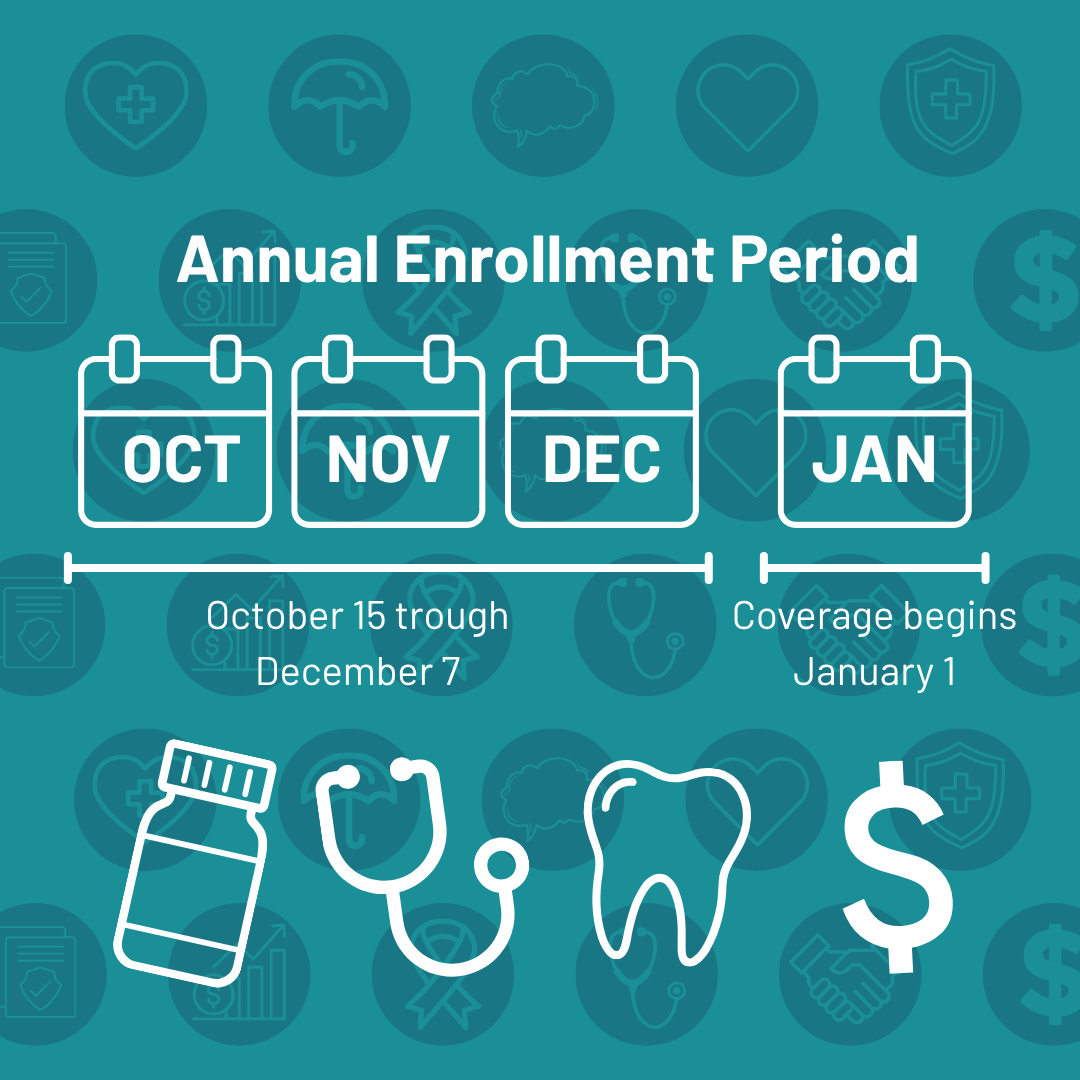
If you're turning 65 within the next 7 months, you're in your Initial Enrollment Period. Don't put it off — missing this window can mean penalties and gaps in coverage. If you already have Medicare and want a second opinion on whether your plan still fits, the Annual Enrollment Period (October 15 – December 7) is when you can switch.
Either way, you don't have to figure this out alone. As an independent broker in Clearwater, I work with multiple carriers across Medicare Advantage, Medigap, and Part D, so I can lay out your real options side by side. Call Trever at (262) 352-3997 — there's no charge for a plan review.
Disclaimer: This article is for educational purposes only and does not constitute insurance, tax, or financial advice. Not connected with or endorsed by the U.S. government or the federal Medicare program. We do not offer every plan available in your area. Currently we represent 12 organizations which offer 132 products in your area. Please contact Medicare.gov, 1-800-MEDICARE, or your local State Health Insurance Program (SHIP) to get information on all of your options.