by Trever Dahms
•
5 October 2026
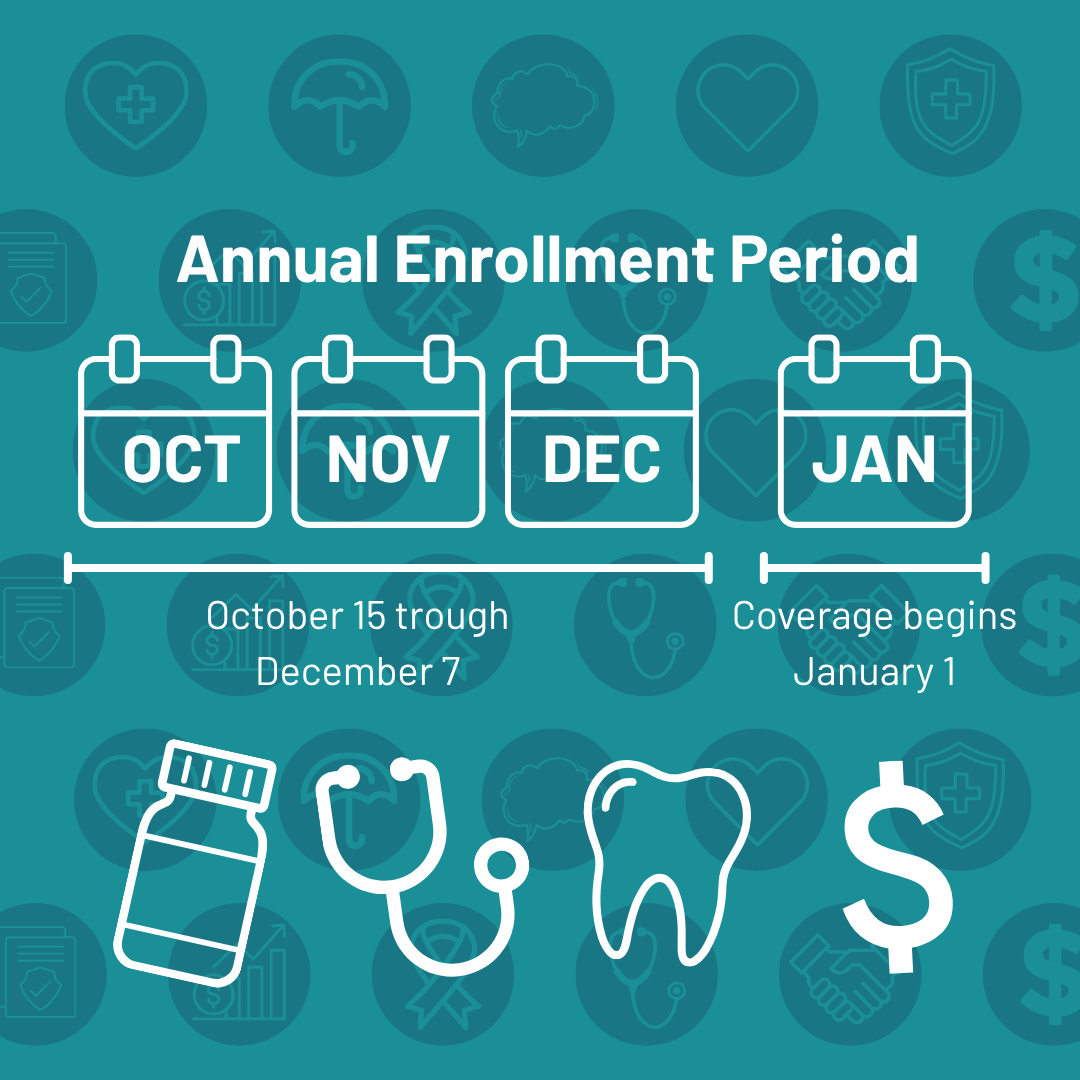
AEP Isn't Just a Formality. It's Your One Guaranteed Shot All Year. Every year between October 15 and December 7, millions of people on Medicare get the chance to make changes to their coverage. Most people know the dates. Fewer people know how much can go wrong if they rush through it, or worse, ignore it completely. I've sat across the table from a lot of clients who came to me after AEP had already closed, wishing they'd made a different decision, or any decision at all. Here are the five mistakes I see most often, and how to steer clear of them this year. Mistake #1: Assuming Your Plan Is Staying the Same This is the big one. Every fall, insurance companies update their plans for the following year, and those changes can be significant. Premiums shift. Copays change. Drug formularies get revised, sometimes moving a medication you take regularly to a higher cost tier, or dropping it from coverage altogether. Provider networks can narrow too, meaning a doctor you've seen for years might no longer be in-network. Your plan mails you an Annual Notice of Change (ANOC) every September for exactly this reason, and it's one of the most skipped pieces of mail a Medicare beneficiary receives. If you didn't read yours, or can't find it, that's the first thing to track down before AEP ends. Mistake #2: Picking a Plan Based on Premium Alone A $0 premium plan can look like a win on paper, but premium is only one piece of the real cost. What matters more over the course of a year is your total out-of-pocket exposure: copays for specialist visits, the cost of your specific medications under that plan's formulary, and whether your preferred providers and hospitals are in-network. I've seen clients save $40 a month switching to a lower-premium plan, only to lose far more than that in higher specialist copays or a medication that jumped from Tier 2 to Tier 4. The plan that costs the least upfront isn't always the plan that costs the least overall. Mistake #3: Not Double-Checking the Pharmacy and Drug List Formularies change every year, and so do preferred pharmacy networks. A pharmacy that was your plan's preferred option last year might not be this year, which can mean paying noticeably more for the exact same prescription at the exact same counter. Before AEP ends, it's worth confirming two things: that every medication you take is still covered at a tier you're comfortable with, and that your pharmacy is still in the plan's preferred network. Both can change quietly, and neither shows up unless you go looking. Mistake #4: Waiting Until the Last Week AEP runs for seven weeks, but a lot of people treat it like a seven-day window because they put it off. The problem is that plan comparisons take time to do right, especially if you're managing multiple medications or specific provider relationships. Rushed decisions in the final days of AEP are where most of the regret comes from. Starting early gives you room to actually compare options, ask questions, and make a decision you're confident in, rather than a decision made under pressure because the deadline is two days away. Mistake #5: Going It Alone When You Don't Have To Medicare plans aren't standardized the way Medigap plans are. Two Advantage plans with similar-sounding names can have very different networks, drug coverage, and extra benefits. Comparing them accurately takes more than a quick glance at a brochure. This is really the whole reason agents like me exist. There's no cost to you for working with a licensed, independent agent, and you get someone who can compare plans across carriers instead of just one company's offerings. That's a different experience than calling a single carrier's 1-800 number, where the person on the other end can only talk about their own plans. The Bottom Line AEP closes on December 7, and whatever you decide, or don't decide, locks in for the full following year. If you haven't reviewed your coverage yet, now is the time, not the first week of December. If you want a second set of eyes on your current plan, or just want to know whether it's still the right fit for 2027, reach out and let's go through it together. No pressure, no cost, just a straight answer.