

Medicare Advantage vs. Medigap in 2026: Which Plan Is Right for You in the Tampa Bay Area?
Trever Dahms • 24 June 2026
If you’ve spent any time researching Medicare, you’ve probably run into this question pretty quickly: should I go with a Medicare Advantage plan or a Medigap supplement?
It’s the single most common question I get from people turning 65 in the Clearwater and Tampa Bay area — and the honest answer is that it depends entirely on your health, your budget, your doctors, and how you use your coverage.
Let me break it down the way I’d explain it sitting across the table from you.
What Both Plans Are Trying to Do
Original Medicare (Parts A and B) covers a lot — but not everything. There are deductibles, copays, and no cap on your out-of-pocket costs. Both Medicare Advantage and Medigap exist to fill those gaps. They just do it in very different ways.
Medicare Advantage (Part C): The All-in-One Approach
Medicare Advantage plans are offered by private insurance companies approved by Medicare. Instead of getting your benefits directly from the government, you get them through the plan — which typically bundles Part A, Part B, and usually Part D drug coverage together.
Most Advantage plans have a $0 or very low monthly premium. Many include extras like dental, vision, hearing, and fitness benefits. That sounds great — and for the right person, it is.
Here’s the trade-off: Advantage plans use networks. HMO plans require you to see in-network providers and get referrals for specialists. PPO plans give you more flexibility but still have in-network and out-of-network cost tiers. If your doctors aren’t in the network, you may have to switch or pay significantly more.
Advantage plans also have copays for services — $10 here, $45 there, $350 for a hospital stay. Most plans have an annual out-of-pocket maximum (in 2026, the cap is $9,350 for in-network costs), which provides a ceiling but can still be significant if you’re a heavy user of healthcare.
Who Medicare Advantage tends to work best for:
• People who are relatively healthy and don’t use the healthcare system heavily
• People on a tight budget who need a low or $0 premium
• People whose doctors are already in-network
• People who want extras like dental and vision bundled in
Medigap (Medicare Supplement): The Freedom Approach
Medigap plans work alongside Original Medicare rather than replacing it. You keep Medicare as your primary insurance, and Medigap pays some or all of the gaps — deductibles, copays, coinsurance — depending on which plan letter you choose.
The most popular plans in Florida are Plan G and Plan N.
Plan G covers nearly everything Original Medicare doesn’t, except the Part B deductible ($240 in 2026). After that deductible, most of your costs are $0 for the rest of the year.
Plan N is similar but has small copays ($20 for office visits, $50 for ER visits that don’t result in admission) and doesn’t cover Part B excess charges.
The big difference with Medigap: you can see any doctor in the country who accepts Medicare. No networks, no referrals, no prior authorizations. If a doctor takes Medicare, your Medigap plan works there.
The trade-off is cost. Medigap premiums in Florida for a 65-year-old typically run $120–$200/month depending on the plan and carrier. You’ll also need a separate Part D plan for drug coverage ($0–$60/month). So your total monthly investment is higher — but your out-of-pocket costs when you actually use care are much lower and far more predictable.
Who Medigap tends to work best for:
• People who use the healthcare system regularly
• People with ongoing health conditions or specialists they see frequently
• People who travel frequently and want nationwide coverage
• People who value predictability and don’t want surprise bills
• People who want to avoid networks and referral requirements
The Florida-Specific Angle
In the Tampa Bay area, network quality matters. Pinellas and Hillsborough counties have excellent hospital systems — BayCare, AdventHealth, HCA Florida — and most are well-represented in major Advantage plan networks. That’s a point in favor of Advantage for local residents.
However, if you spend significant time traveling, have a specialist you love who’s out of network, or split time between Florida and another state, Medigap’s nationwide portability becomes a serious advantage.
The 3 Questions to Ask Yourself
• How often do I use the healthcare system? If you’re healthy and rarely see doctors, Advantage’s lower premium may make more financial sense. If you have ongoing conditions, Medigap’s predictability protects you.
• Do my current doctors accept Medicare? If yes, and they’re in your desired Advantage plan’s network, you’re likely fine either way. If your doctors are out-of-network, Medigap gives you freedom to keep them.
• What’s more important to me — a lower monthly premium or lower costs when I use care? This is ultimately a budgeting question. Advantage front-loads the savings. Medigap back-loads them.
One More Thing: Switching Later Is Harder Than You Think
During your first 6 months on Medicare Part B, you have a Medigap Open Enrollment Window — meaning insurance companies must sell you any Medigap plan at standard rates, no health questions asked. After that window closes, switching to Medigap typically requires medical underwriting. This is exactly why the initial decision matters so much — and why it’s worth talking to an independent broker before you enroll.
The Bottom Line
Neither plan is universally better. The key is figuring out which one fits your situation. That’s what I do every day for people across Pinellas, Hillsborough, and Pasco counties — compare both options side by side, explain the real trade-offs, and help you make the decision that fits your health, your budget, and your life.
📞 Call Trever at (727) 314-3114 or visit tdcoverage.com to get started.

LTC Policies Aren't One Size Fits All. Long Term Care Insurance is one of those products where two policies can look similar on the surface and be completely different once you dig into the details. If you're comparing quotes, here are the features I always walk clients through.
I think about all the people out there running the exact same Medicare Advantage plan they picked six or seven years ago, never once checking if it's still any good, kind of like people who still use the ringtone their phone came with because changing it never occurred to them. It was fine once. That doesn't mean it's still fine now. The Annual Enrollment Period (October 15 through December 7) is your one shot a year to actually do something about it. Here are five signs worth paying attention to.
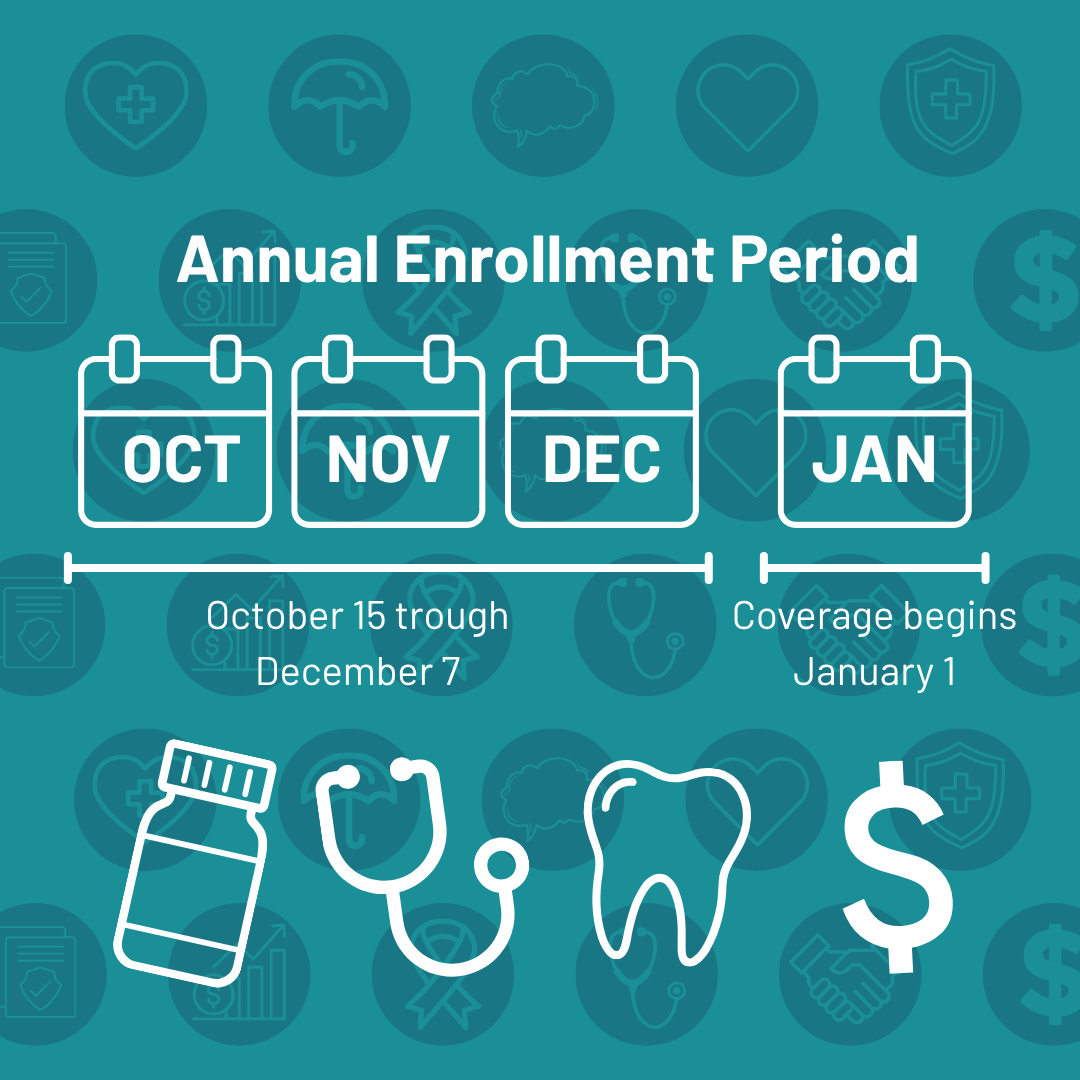
Okay so every October the same thing happens. Your mailbox turns into a warzone of postcards, all claiming to be the best plan, none of them actually explaining the rules of the game you're supposedly playing. It's like getting twelve different group texts about a party and nobody mentions the address. You're just standing there thinking, "Do I need to actually DO something here, or is this just insurance companies being insurance companies?

Medicare Covers a Lot. It Doesn't Cover Everything.

A Small Policy That Solves a Big Problem

Two Different Tools for Two Different Goals Clients often come to me asking about annuities without knowing there are different types built for different purposes. Two of the most common are Multi-Year Guaranteed Annuities, or MYGAs, and Fixed Index Annuities, or FIAs. They're both about protecting principal, but they work differently.

The Question I Wish More People Asked Earlier Most people don't think about long term care planning until they're already in the middle of a crisis, whether that's a parent's diagnosis or their own health scare. By that point, some of the best options are already off the table. So when should you actually start thinking about this?

Missed Medicare's Annual Enrollment Period? A Special Enrollment Period may still let you change plans. Here's what qualifies and how it works.

Medicare is one of the most important financial decisions you’ll make in retirement. It’s also one of the easiest to get wrong — not because people aren’t paying attention, but because the rules are genuinely complicated and the consequences of certain mistakes are permanent.

For retirees and pre-retirees, few things are more unsettling than watching the stock market drop 20, 30, or even 40 percent. When you’re drawing income from your savings, a major market decline early in retirement can permanently damage your financial plan — a phenomenon called sequence-of-returns risk. Fixed Index Annuities (FIAs) are designed specifically to address this risk.