
5 Things to Know Before Picking a Medicare Plan in the Tampa Bay Area
Choosing a Medicare plan for the first time — or switching plans during Annual Enrollment — can feel overwhelming. There are dozens of options in Pinellas, Hillsborough, and Pasco County alone, and the stakes are high: your health coverage and out-of-pocket costs depend on making the right call.
Here are five things every Tampa Bay area resident should understand before picking a Medicare plan.
1. Medicare Enrollment Timing Has Consequences
There are specific windows when you can enroll in or change Medicare plans:
— Initial Enrollment Period (IEP): 7-month window around your 65th birthday (3 months before, the month of, and 3 months after)
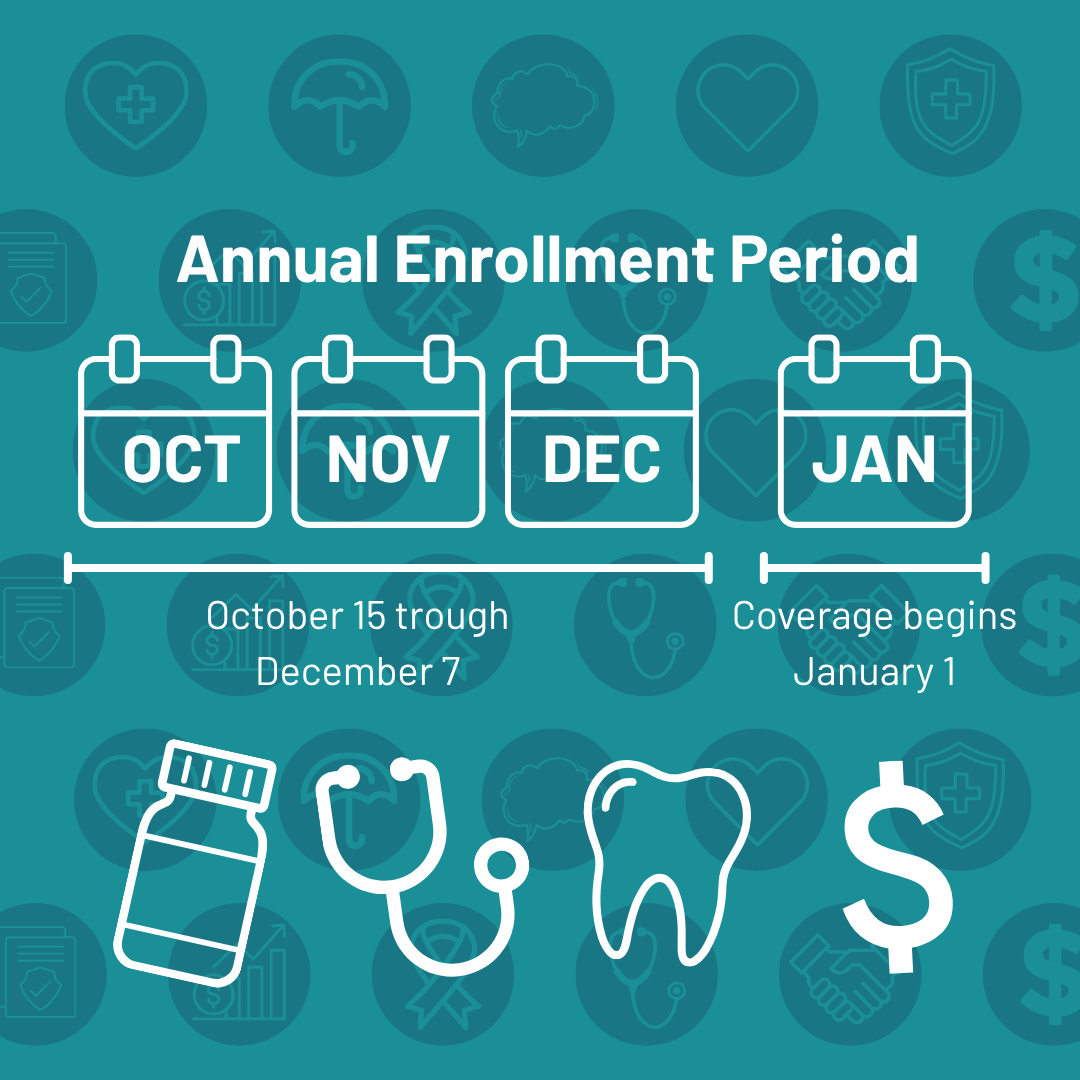
— Annual Enrollment Period (AEP): October 15 – December 7 each year (changes take effect January 1)
— Special Enrollment Periods (SEPs): Triggered by qualifying life events (losing job-based insurance, moving, etc.)
Missing your Initial Enrollment window can result in lifetime premium penalties for Part B and Part D — as much as 10% extra per year for every year you were late.
2. Your Prescription Drugs Should Drive Part of Your Decision
Prescription drug coverage (Part D) varies dramatically between plans — the same medication can cost very different amounts depending on which plan you choose.
Before you pick a plan, list all your current medications (including dosage and frequency) and run them through Medicare's Plan Finder at medicare.gov. You want to find a plan where all your drugs are on the formulary at the lowest cost tier.
This single step can save some people $50–$200+ per month.
3. Your Doctors May Not Be in Every Plan's Network
If you're considering a Medicare Advantage plan, check that your current primary care physician and any specialists you see regularly are in the plan's network — before you enroll.
Most HMO plans require in-network care except in emergencies. PPO plans offer more flexibility but may charge higher copays for out-of-network visits.
If you travel frequently or split time between Florida and another state, a Medigap (Supplement) plan may offer more flexibility, since it works with any provider that accepts Medicare.
4. Low Premium Doesn't Always Mean Low Cost
A $0 premium Medicare Advantage plan sounds great — until you look at the maximum out-of-pocket. In recent years, the maximum out-of-pocket for Medicare Advantage plans can be as high as $8,850 for in-network services.
If you have ongoing health conditions or expect significant medical use, a plan with a slightly higher premium but lower copays and a lower out-of-pocket maximum may actually save you money.
Always compare total potential cost, not just the monthly premium.
5. You Don't Have to Figure This Out Alone
Medicare is complex — and the rules change every year. Working with a local, independent Medicare broker means you get unbiased guidance from someone who knows the plans available in your area.
Trever Dahms at TD Coverage is contracted with 70+ carriers and helps residents of Clearwater, Largo, Palm Harbor, St. Petersburg, Tampa, and surrounding communities compare Medicare options at no cost.
Call: (262) 352-3997
Visit: tdcoverage.com