

How to Compare Long Term Care Insurance Policies: 7 Features That Matter
Trever Dahms • 16 September 2026
LTC Policies Aren't One Size Fits All. Long Term Care Insurance is one of those products where two policies can look similar on the surface and be completely different once you dig into the details. If you're comparing quotes, here are the features I always walk clients through.
1. Daily or Monthly Benefit Amount
This is how much the policy will pay toward your care each day or month. It needs to be realistic for the cost of care in your area, not just whatever number keeps the premium low.
2. Benefit Period
This is how long the policy will pay out. Some policies cover a set number of years, others offer unlimited lifetime benefits. A longer benefit period costs more, but it also protects you longer if you need extended care.
3. Elimination Period
This works like a deductible, but in days instead of dollars. It's the number of days you pay for care out of pocket before the policy starts paying. Shorter elimination periods mean higher premiums, but less out-of-pocket exposure up front.
4. Inflation Protection
Care costs rise every year. A policy without inflation protection might look affordable today and fall short of covering real costs 15 or 20 years down the road. This is one of the features I encourage clients not to skip, even though it raises the premium.
5. Care Settings Covered
Make sure the policy covers the settings you'd actually want, whether that's in-home care, assisted living, or a nursing facility. Some policies favor one setting over another, and that matters if your goal is to stay at home as long as possible.
6. Premium Guarantees
Ask whether premiums are guaranteed or if they can increase over time. Some carriers have a track record of raising premiums on older policies. It's worth knowing what you're signing up for long term, not just what the starting price looks like.
7. Hybrid vs Standalone
Standalone LTC policies pay out only if you need long term care. Hybrid life/LTC policies combine a death benefit with LTC coverage, so if you never need care, your beneficiaries still receive a payout. For a lot of my clients, the hybrid option feels like less of a gamble.
Let's Compare Your Options
I work with more than 70 carriers, which means I can compare real numbers across companies instead of just presenting one option. If you want to see what LTC coverage would actually look like for your age, health, and budget, let's set up a time to talk.

I think about all the people out there running the exact same Medicare Advantage plan they picked six or seven years ago, never once checking if it's still any good, kind of like people who still use the ringtone their phone came with because changing it never occurred to them. It was fine once. That doesn't mean it's still fine now. The Annual Enrollment Period (October 15 through December 7) is your one shot a year to actually do something about it. Here are five signs worth paying attention to.
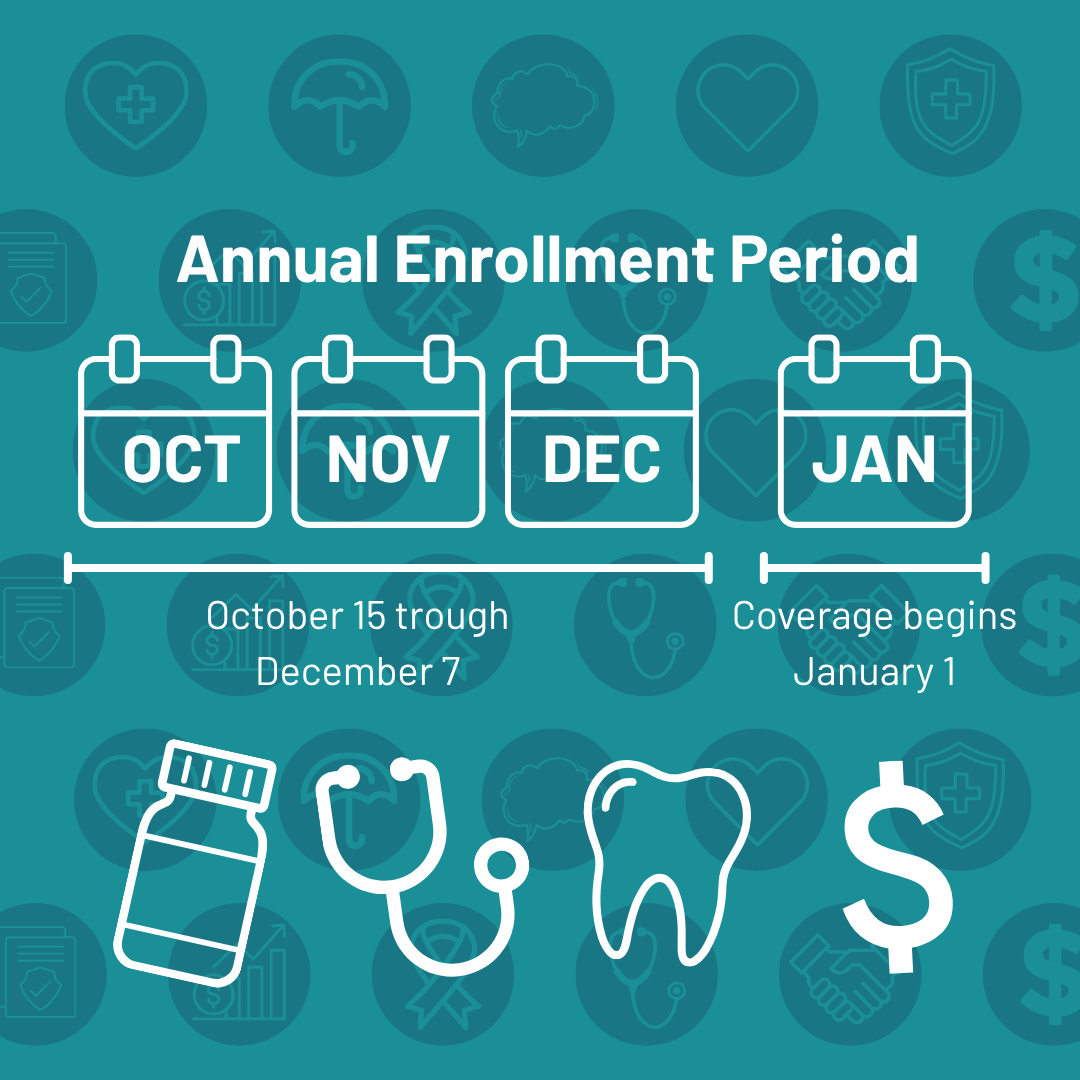
Okay so every October the same thing happens. Your mailbox turns into a warzone of postcards, all claiming to be the best plan, none of them actually explaining the rules of the game you're supposedly playing. It's like getting twelve different group texts about a party and nobody mentions the address. You're just standing there thinking, "Do I need to actually DO something here, or is this just insurance companies being insurance companies?

Medicare Covers a Lot. It Doesn't Cover Everything.

A Small Policy That Solves a Big Problem

Two Different Tools for Two Different Goals Clients often come to me asking about annuities without knowing there are different types built for different purposes. Two of the most common are Multi-Year Guaranteed Annuities, or MYGAs, and Fixed Index Annuities, or FIAs. They're both about protecting principal, but they work differently.

The Question I Wish More People Asked Earlier Most people don't think about long term care planning until they're already in the middle of a crisis, whether that's a parent's diagnosis or their own health scare. By that point, some of the best options are already off the table. So when should you actually start thinking about this?

Missed Medicare's Annual Enrollment Period? A Special Enrollment Period may still let you change plans. Here's what qualifies and how it works.

Medicare is one of the most important financial decisions you’ll make in retirement. It’s also one of the easiest to get wrong — not because people aren’t paying attention, but because the rules are genuinely complicated and the consequences of certain mistakes are permanent.

For retirees and pre-retirees, few things are more unsettling than watching the stock market drop 20, 30, or even 40 percent. When you’re drawing income from your savings, a major market decline early in retirement can permanently damage your financial plan — a phenomenon called sequence-of-returns risk. Fixed Index Annuities (FIAs) are designed specifically to address this risk.

If you’ve looked into long-term care insurance and ultimately decided against it, there’s a good chance the reason came down to one objection: “What if I pay premiums for 20 years and never need care? I’ll have wasted all that money.” Hybrid life/LTC policies were created to solve exactly this problem.