

5 Costly Mistakes People Make During Medicare's Annual Enrollment Period
Trever Dahms • 5 October 2026
AEP Isn't Just a Formality. It's Your One Guaranteed Shot All Year.
Every year between October 15 and December 7, millions of people on Medicare get the chance to make changes to their coverage. Most people know the dates. Fewer people know how much can go wrong if they rush through it, or worse, ignore it completely.
I've sat across the table from a lot of clients who came to me after AEP had already closed, wishing they'd made a different decision, or any decision at all. Here are the five mistakes I see most often, and how to steer clear of them this year.
Mistake #1: Assuming Your Plan Is Staying the Same
This is the big one. Every fall, insurance companies update their plans for the following year, and those changes can be significant. Premiums shift. Copays change. Drug formularies get revised, sometimes moving a medication you take regularly to a higher cost tier, or dropping it from coverage altogether. Provider networks can narrow too, meaning a doctor you've seen for years might no longer be in-network.
Your plan mails you an Annual Notice of Change (ANOC) every September for exactly this reason, and it's one of the most skipped pieces of mail a Medicare beneficiary receives. If you didn't read yours, or can't find it, that's the first thing to track down before AEP ends.
Mistake #2: Picking a Plan Based on Premium Alone
A $0 premium plan can look like a win on paper, but premium is only one piece of the real cost. What matters more over the course of a year is your total out-of-pocket exposure: copays for specialist visits, the cost of your specific medications under that plan's formulary, and whether your preferred providers and hospitals are in-network.
I've seen clients save $40 a month switching to a lower-premium plan, only to lose far more than that in higher specialist copays or a medication that jumped from Tier 2 to Tier 4. The plan that costs the least upfront isn't always the plan that costs the least overall.
Mistake #3: Not Double-Checking the Pharmacy and Drug List
Formularies change every year, and so do preferred pharmacy networks. A pharmacy that was your plan's preferred option last year might not be this year, which can mean paying noticeably more for the exact same prescription at the exact same counter.
Before AEP ends, it's worth confirming two things: that every medication you take is still covered at a tier you're comfortable with, and that your pharmacy is still in the plan's preferred network. Both can change quietly, and neither shows up unless you go looking.
Mistake #4: Waiting Until the Last Week
AEP runs for seven weeks, but a lot of people treat it like a seven-day window because they put it off. The problem is that plan comparisons take time to do right, especially if you're managing multiple medications or specific provider relationships. Rushed decisions in the final days of AEP are where most of the regret comes from.
Starting early gives you room to actually compare options, ask questions, and make a decision you're confident in, rather than a decision made under pressure because the deadline is two days away.
Mistake #5: Going It Alone When You Don't Have To
Medicare plans aren't standardized the way Medigap plans are. Two Advantage plans with similar-sounding names can have very different networks, drug coverage, and extra benefits. Comparing them accurately takes more than a quick glance at a brochure.
This is really the whole reason agents like me exist. There's no cost to you for working with a licensed, independent agent, and you get someone who can compare plans across carriers instead of just one company's offerings. That's a different experience than calling a single carrier's 1-800 number, where the person on the other end can only talk about their own plans.
The Bottom Line
AEP closes on December 7, and whatever you decide, or don't decide, locks in for the full following year. If you haven't reviewed your coverage yet, now is the time, not the first week of December.
If you want a second set of eyes on your current plan, or just want to know whether it's still the right fit for 2027, reach out and let's go through it together. No pressure, no cost, just a straight answer.

The Question Every Family Asks Eventually When a parent or spouse is diagnosed with dementia or Alzheimer's, one of the first questions families ask is what Medicare will cover. It's an important question, and unfortunately the answer is often not what families hope to hear. Original Medicare does not cover round-the-clock supervision or custodial care. That includes help with bathing, dressing, eating, or keeping someone safe if they wander. This is true even when the underlying diagnosis is dementia or Alzheimer's. What Medicare Will Cover Medicare can help with skilled home health care, but only under specific conditions: The patient must be considered homebound A doctor must certify the need for care and create a plan of care The care must involve skilled services, such as nursing visits, physical therapy, or speech therapy A home health aide can be included, but only as part of a skilled care plan, and hours are limited Medicare can also cover a limited stay in a skilled nursing facility after a qualifying hospital stay, but this is meant for short-term rehabilitation, not long-term custodial care. Where Medicaid Fits In Medicaid can cover long-term custodial care, including nursing home care and in some states in-home care, but only after a person has spent down most of their assets to meet the program's financial limits. For a lot of families, this means selling a home, spending savings, and going through a process that feels invasive at a time that's already emotionally difficult. It's not a bad option, it's just a last resort option, and it works best when families understand it ahead of time rather than in the middle of a crisis. Why I Bring Up Long Term Care Insurance Early This is exactly why I talk to clients about Long Term Care Insurance before they need it, especially if there's a family history of dementia or Alzheimer's. LTC insurance, or hybrid life and LTC policies, are really the only tools that let people plan ahead for this kind of care instead of reacting to it during a crisis. If you have a parent recently diagnosed, or you're thinking ahead for yourself, let's talk through what coverage actually looks like for your situation. Understanding your options now gives you and your family a lot more control later.

Term life insurance tends to get pitched as a young person's product — something you buy in your 30s to protect a growing family, and then quietly let expire once the kids are grown. That's a fair use case, but it's not the whole story. For some people, term life still has a role to play well into their 50s, 60s, and beyond.

LTC Policies Aren't One Size Fits All. Long Term Care Insurance is one of those products where two policies can look similar on the surface and be completely different once you dig into the details. If you're comparing quotes, here are the features I always walk clients through.

I think about all the people out there running the exact same Medicare Advantage plan they picked six or seven years ago, never once checking if it's still any good, kind of like people who still use the ringtone their phone came with because changing it never occurred to them. It was fine once. That doesn't mean it's still fine now. The Annual Enrollment Period (October 15 through December 7) is your one shot a year to actually do something about it. Here are five signs worth paying attention to.
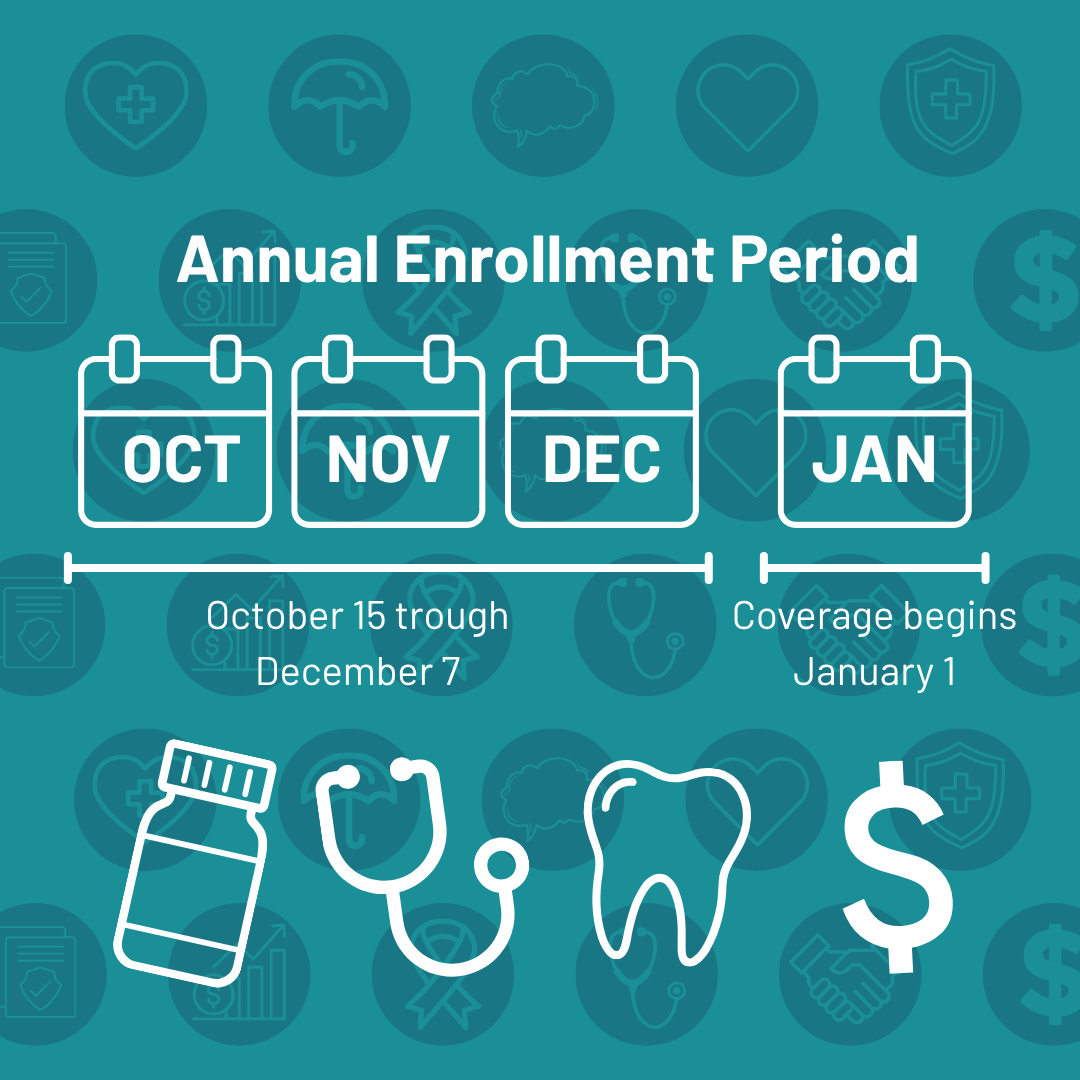
Okay so every October the same thing happens. Your mailbox turns into a warzone of postcards, all claiming to be the best plan, none of them actually explaining the rules of the game you're supposedly playing. It's like getting twelve different group texts about a party and nobody mentions the address. You're just standing there thinking, "Do I need to actually DO something here, or is this just insurance companies being insurance companies?

Medicare Covers a Lot. It Doesn't Cover Everything.

A Small Policy That Solves a Big Problem

Two Different Tools for Two Different Goals Clients often come to me asking about annuities without knowing there are different types built for different purposes. Two of the most common are Multi-Year Guaranteed Annuities, or MYGAs, and Fixed Index Annuities, or FIAs. They're both about protecting principal, but they work differently.

The Question I Wish More People Asked Earlier Most people don't think about long term care planning until they're already in the middle of a crisis, whether that's a parent's diagnosis or their own health scare. By that point, some of the best options are already off the table. So when should you actually start thinking about this?

Missed Medicare's Annual Enrollment Period? A Special Enrollment Period may still let you change plans. Here's what qualifies and how it works.