
5 Signs It Might Be Time to Switch Your Medicare Advantage Plan This AEP
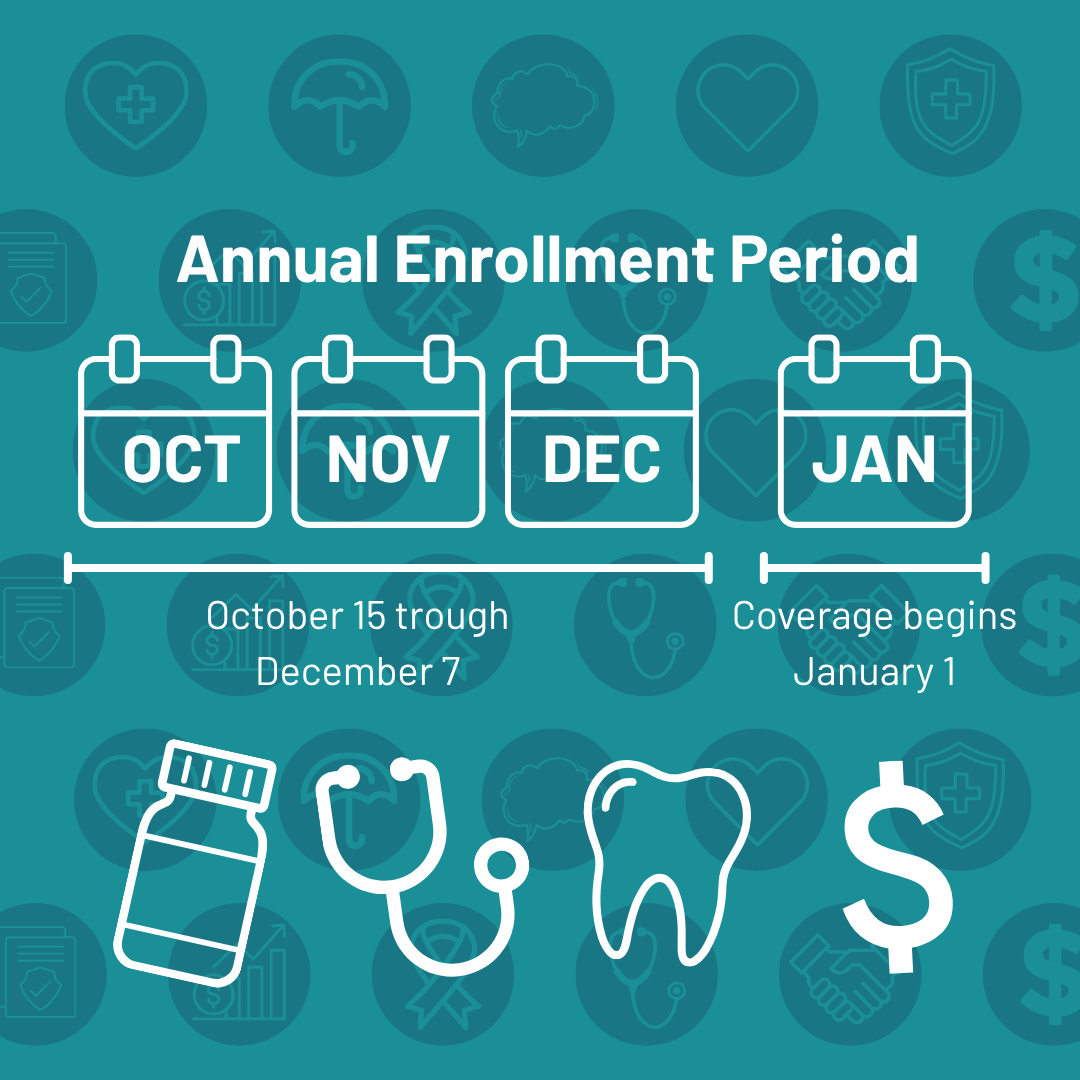
I think about all the people out there running the exact same Medicare Advantage plan they picked six or seven years ago, never once checking if it's still any good, kind of like people who still use the ringtone their phone came with because changing it never occurred to them. It was fine once. That doesn't mean it's still fine now. The Annual Enrollment Period (October 15 through December 7) is your one shot a year to actually do something about it. Here are five signs worth paying attention to.
1. Your Prescriptions Got Quietly Downgraded
Drug formularies change every year, tier placement changes, what you pay changes, all without so much as a heads up that feels proportional to what's happening. If a medication you've taken forever suddenly costs more, or isn't covered at all, that's not random. Your plan reshaped itself and you weren't exactly consulted about it. Worth checking what else is out there.
2. Your Doctor Isn't In-Network Anymore
Provider networks shift constantly, insurance companies and hospital systems renegotiate contracts behind the scenes, and one day you find out the doctor you've seen for years isn't covered anymore. Nobody sends a dramatic announcement. You just find out at checkout, or worse, after the appointment. Check the directory before AEP ends instead of finding out the hard way in January.
3. Your Costs Quietly Crept Up
Premium stayed the same? Doesn't mean much on its own. Copays, deductibles, and your out-of-pocket max can all increase even when the number on the postcard looks identical, which is its own special kind of frustrating. Your Annual Notice of Change letter spells this out every fall. Actually read it instead of assuming it's the same form letter as always.
4. Your Life Changed and Your Plan Didn't
New diagnosis, more specialists, suddenly you actually care about the dental or vision or hearing benefit you used to ignore completely. Life doesn't ask permission before changing, and if your coverage doesn't adjust with it, you end up finding the gaps at the worst possible moment. Some plans have a lot more built in than others. Worth knowing which one you've got before you actually need it.
5. You've Never Once Compared Your Options
This is the big one honestly. If you picked your plan years ago and haven't looked at a single alternative since, there's a real chance something better exists in your area right now and you just don't know it. New plans show up constantly. What was the best option five years ago isn't automatically the best option today, even if it still has the same name on the card.
What To Actually Do About It
If any of this sounds familiar, spend a few minutes during AEP comparing your plan against what else is available. Look at the whole picture, drug coverage, network, out-of-pocket costs, not just the premium number that gets all the attention.
If you'd rather not sort through it alone, that's genuinely what I'm here for. I'm appointed with over 70 carriers across Pinellas, Hillsborough, and Pasco counties, so you get the full picture, not one company's version of events. Free conversation, no pressure, and if your current plan's still the right one, I'll just tell you that.